
Researching Technology’s Impact on the Human Condition
About the Tech for Humanity Lab
The Tech for Humanity Lab is a transdisciplinary laboratory at Virginia Tech, focusing on the impact of technology on the human condition. Our lab emphasizes issues of human security broadly constituting political, medical, social, economic and environmental securities. The lab utilizes transdisciplinary research, combining practices from political science, international affairs, law, computer science, humanities, engineering, business, biology, public health, and area studies.
Our mission includes investigating the impact of technological advances on a broad spectrum of security issues. Early research initiatives include surveillance, censorship, data manipulation and misuse, and misappropriation for the purposes of impacting human security across and within multiple disciplines. The lab provides access to resources including High Performance Computing; mobile and IoT technologies; servers, software and simulations for modeling infrastructures; augmented and virtual environments; and a range of digital devices. The lab places concerns of human security at its core and seeks to develop technical- and policy-relevant research that might guide future innovation in ways that minimize negative impacts and enhance a comprehensive approach to technology and human security.

Lab Meetings
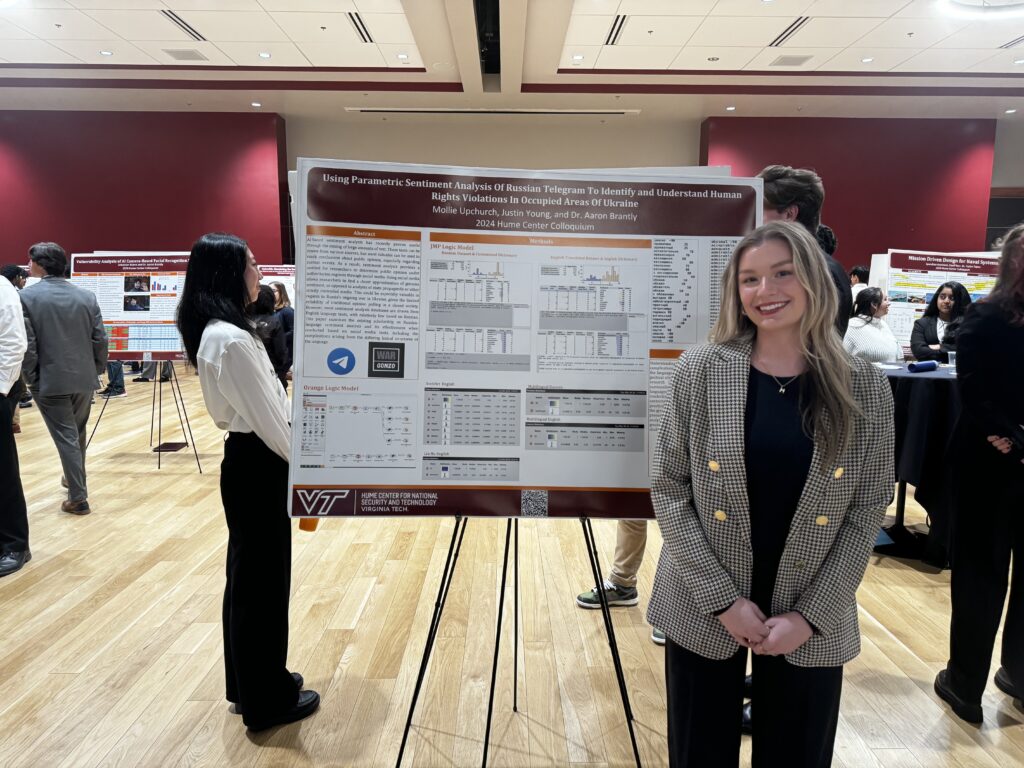
Hume Colloquium Presentations
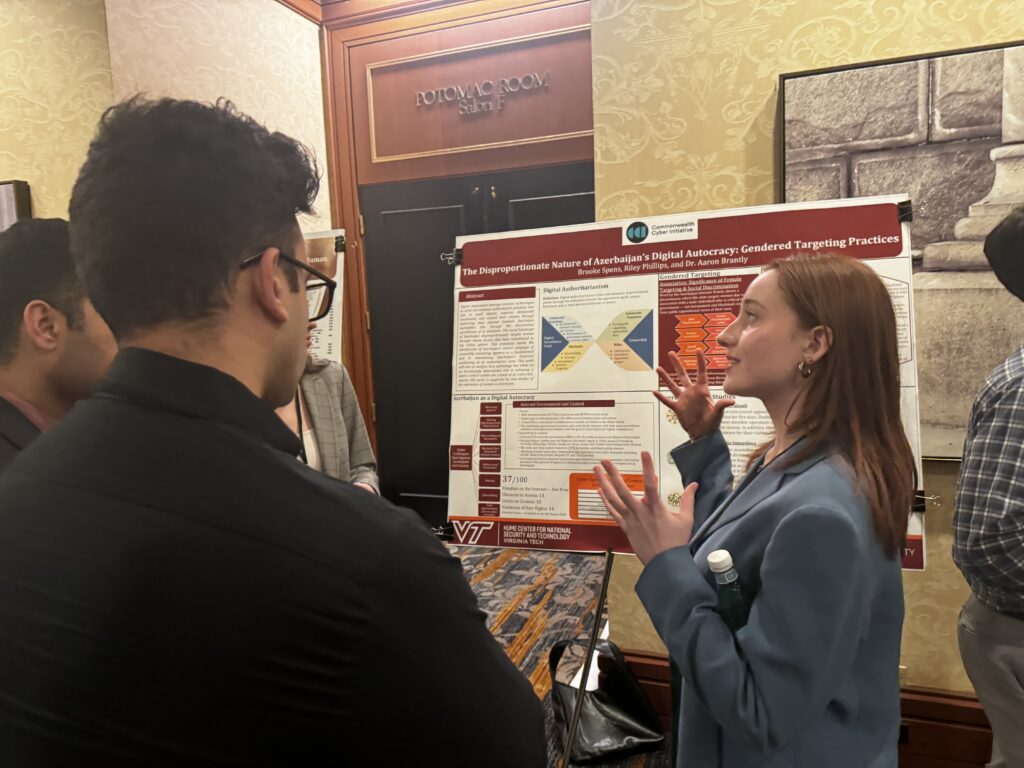
CCI Research Presentations

Aaron F. Brantly – Director
- ASSOCIATE PROFESSOR, GOVERNMENT AND INTERNATIONAL AFFAIRS PROGRAM (GIA) SCHOOL OF PUBLIC AND INTERNATIONAL AFFAIRS
- HEAD OF RESEARCH, CENTER FOR EUROPEAN UNION AND TRANSATLANTIC STUDIES
- AFFILIATED FACULTY, HUME CENTER FOR NATIONAL SECURITY
- AFFILIATED FACULTY, NATIONAL SECURITY INSTITUTE

Nataliya D. Brantly – Lab Deputy Director
- ASSISTANT PROFESSOR, GOVERNMENT AND INTERNATIONAL AFFAIRS PROGRAM (GIA) SCHOOL OF PUBLIC AND INTERNATIONAL AFFAIRS
- PROGRAM DIRECTOR, EASTERN PARTNERSHIP RESEARCH PROGRAM CENTER FOR EUROPEAN UNION AND TRANSATLANTIC STUDIES
Latest Blog Posts
-

The Growing Problem of Sexualized Deepfakes
CONTINUE READING: The Growing Problem of Sexualized DeepfakesThe rapid development of artificial intelligence has enabled the creation of highly realistic fake images and videos known as deepfakes. The term deepfake is derived from the combination of deep learning and fake visuals[1]and, in one way or another, most people have encountered the seemingly realistic yet fabricated images and videos online. While not everyone…
-

LoopKit: An introduction into personalization and cyber safety in open-source software
CONTINUE READING: LoopKit: An introduction into personalization and cyber safety in open-source softwareType 1 diabetes is an autoimmune disease that prevents the pancreas from making insulin. A common medical device used to deliver insulin is an insulin pump. Insulin pumps allow users to personalize their device and its data uploading. The most personalized version of these devices can be modified by an open-source software resource named LoopKit.…
-
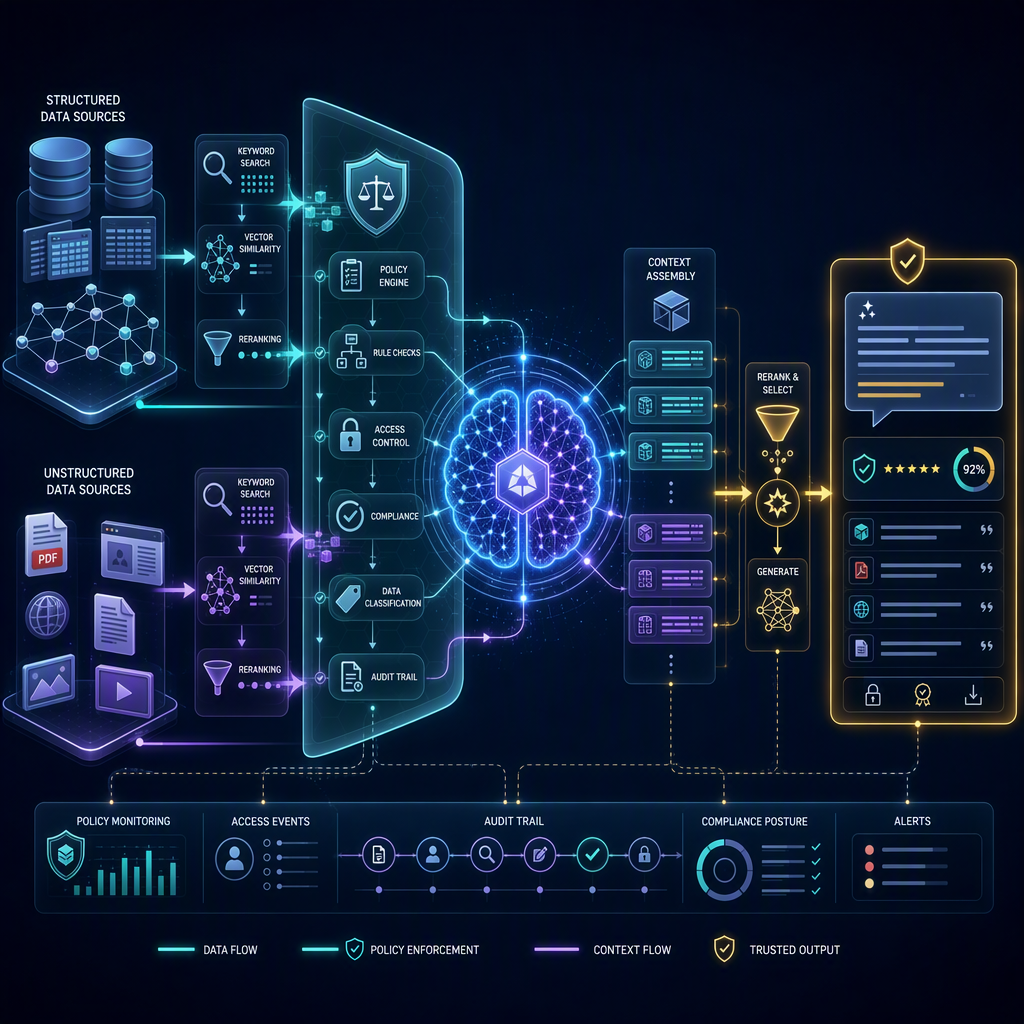
Policy-Aware Hybrid Retrieval-Augmented Generation (HRAG-PA): A Knowledge-Aware AI Framework for Cybersecurity Governance
CONTINUE READING: Policy-Aware Hybrid Retrieval-Augmented Generation (HRAG-PA): A Knowledge-Aware AI Framework for Cybersecurity GovernanceCybersecurity governance depends on understanding and applying complex regulatory frameworks including ISO/IEC 27001, NIST CSF 2.0, GDPR, and HIPAA and many others. Often these frameworks are sector specific, difficult to read, and complicated to apply. To simplify the implementation and comprehension of these models within firms this post proposes to leverage Large Language Models (LLMs)…
Tech for Humanity Lab
DROP BY AND SAY HI!
Major Williams Hall 117